As Minerva Agriculture and Technology Consultancy, we offer comprehensive and detailed consultancy services to ensure the success of your projects. Our expert team possesses extensive experience in project writing, implementation, documentation, and monitoring processes, developing strong competence in both domestic and international projects.
By working with institutions and organizations in Turkey, we play a significant role in the realization of local projects, while also actively participating in European Union and international projects. With years of experience in EU projects, we shape your projects and meticulously prepare all necessary documents, especially within the scope of programs such as Horizon Europe, Erasmus+, LIFE, and INTERREG. We provide technical and content support at every stage of the project applications, ensuring that your submissions comply with international standards.
In the areas of project documentation and reporting, we regularly track the progress of your projects with our expertise and suggest strategic revisions when needed. Additionally, while managing your projects, we provide consultancy in crucial areas such as risk management, budgeting, resource utilization, and time planning, ensuring the entire process progresses smoothly and successfully.
Over the years, the strong partnerships we have developed with both public and private sector organizations allow us to guide you in your relationships with domestic and international stakeholders. By adopting a sustainability, innovation, and impact-driven approach in project management processes, we aim not only to complete your projects successfully but also to create long-term value.
As Minerva Agriculture and Technology Consultancy, we take pride in being a reliable solution partner at every stage of your projects.
Sustainability Assessments: Identify comprehensive assessments to identify areas for improvement of farm operations.
Minerva Agriculture offers farmers comprehensive sustainability assessments to clearly understand their environmental impact and identify opportunities for improvement. Our assessments go beyond simple checklists and delve deep into every aspect of the farm operation, providing actionable insights and tailored recommendations.
Water: Assess irrigation practices, water resources and water use efficiency. Identify potential to save water and improve irrigation management.
Energy: Analyze energy consumption patterns for farm operations and identify opportunities for energy efficiency and renewable energy use.
Inputs: Assess the use of fertilizers, pesticides and other inputs. Examine the potential to reduce reliance on synthetic inputs and optimize application methods.
Soil Health: Analyze soil quality parameters (organic matter, nutrient content, compaction) and evaluate soil health management practices.
Water Quality: Assess potential impacts of farm operations on water quality (runoff, seepage, erosion) and identify mitigation measures.
Biodiversity: Assess the impact of the farm on local biodiversity (habitat, wildlife corridors) and identify opportunities for biodiversity conservation.
Greenhouse Gas Emissions: Calculate GHG emissions from farm activities and identify strategies to reduce emissions and sequester carbon.
Labor Practices: Assess working conditions and social equity practices on the farm.
Economic Sustainability: Assess the farm’s economic performance and identify opportunities to increase profitability and resilience.
Community Relations: Assess the farm’s relationship with the local community and identify opportunities for collaboration and positive impact.
On-site Visits: Our expert consultants conduct extensive on-site visits to collect data, observe practices and interview farm staff.
Data Analysis: We analyze the collected data with specialized tools and methods to assess environmental performance and identify areas for improvement.
Benchmarking: Compare farm performance against industry best practices and sustainability standards.
Reporting: We provide farmers with detailed reports with key findings, recommendations and action plans for improvement.


Strategic Planning: Minerva Agriculture recognizes that sustainability is not a one-size-fits-all approach for every farm. We work closely together to develop customized sustainability plans that align with our clients’ unique goals, resources and operational contexts. Our strategic planning process includes the following steps:
Understanding Customer Needs: We start with in-depth interviews to understand our customers’ vision, priorities and desired outcomes for their farm operations.
Defining Sustainability Goals: Together we define SMART (Specific, Measurable, Attainable, Relevant and Timely) sustainability goals, such as water conservation, energy efficiency, input reduction, soil health improvement or biodiversity enhancement.
Alignment with Business Goals: We integrate sustainability goals with the client’s overall business goals, creating a synergistic approach that benefits both the environment and the profitability of the farm.
Initial Assessment: We comprehensively assess the farm’s current practices, resource use and environmental impacts to establish a baseline from which to measure progress.
Opportunity Identification: We analyze the data to identify opportunities for improvement in various aspects of farm operations, such as water management, energy use, input optimization and waste reduction.
Feasibility Analysis: We assess the potential impact of different sustainability strategies on cost, technical requirements and farm operations.
Customized Strategies: We develop a customized sustainability plan that includes specific actions, timelines and resources needed to achieve the set goals.
Prioritization: We help our clients prioritize actions based on their potential impact, feasibility and alignment with overall goals.
Innovation Integration: We integrate innovative technologies and best practices to improve the efficiency and effectiveness of the plan.
Monitoring and Evaluation Framework: We create a framework for monitoring progress, measuring results and adapting the plan as needed.
Implementation Support: We offer our customers continuous support and guidance throughout the implementation process, helping them overcome challenges and stay on track.
Capacity Building: We provide our customers with training and resources to build their capacity for sustainable farm management.
Adaptive Management: We continuously monitor progress, evaluate results and adapt the plan as needed to ensure its effectiveness and relevance.
Provides a clear and actionable roadmap to achieve sustainability goals.
Ensures that sustainability initiatives are aligned with the client’s overall business objectives.
Improves environmental performance, resource efficiency and economic sustainability.
Develop customized solutions that address the specific needs and context of farm operations.
Increases resilience to climate change and other challenges through adaptive management strategies.
Minerva Agriculture believes that knowledge is the key to sustainable agricultural transformation. We are committed to equipping farmers, agricultural professionals and rural communities with the knowledge and skills they need to succeed in a changing world. Our capability development initiatives include:
Precision Agriculture Training : Provide hands-on training in the use of GPS-guided machines, sensor technologies and data analysis platforms.

Offer trainings on sustainable farming methods such as water conservation, integrated pest management, soil health management and climate smart farming techniques.
Provide training on financial planning, record keeping, marketing and other business management skills to increase farm profitability and resilience.

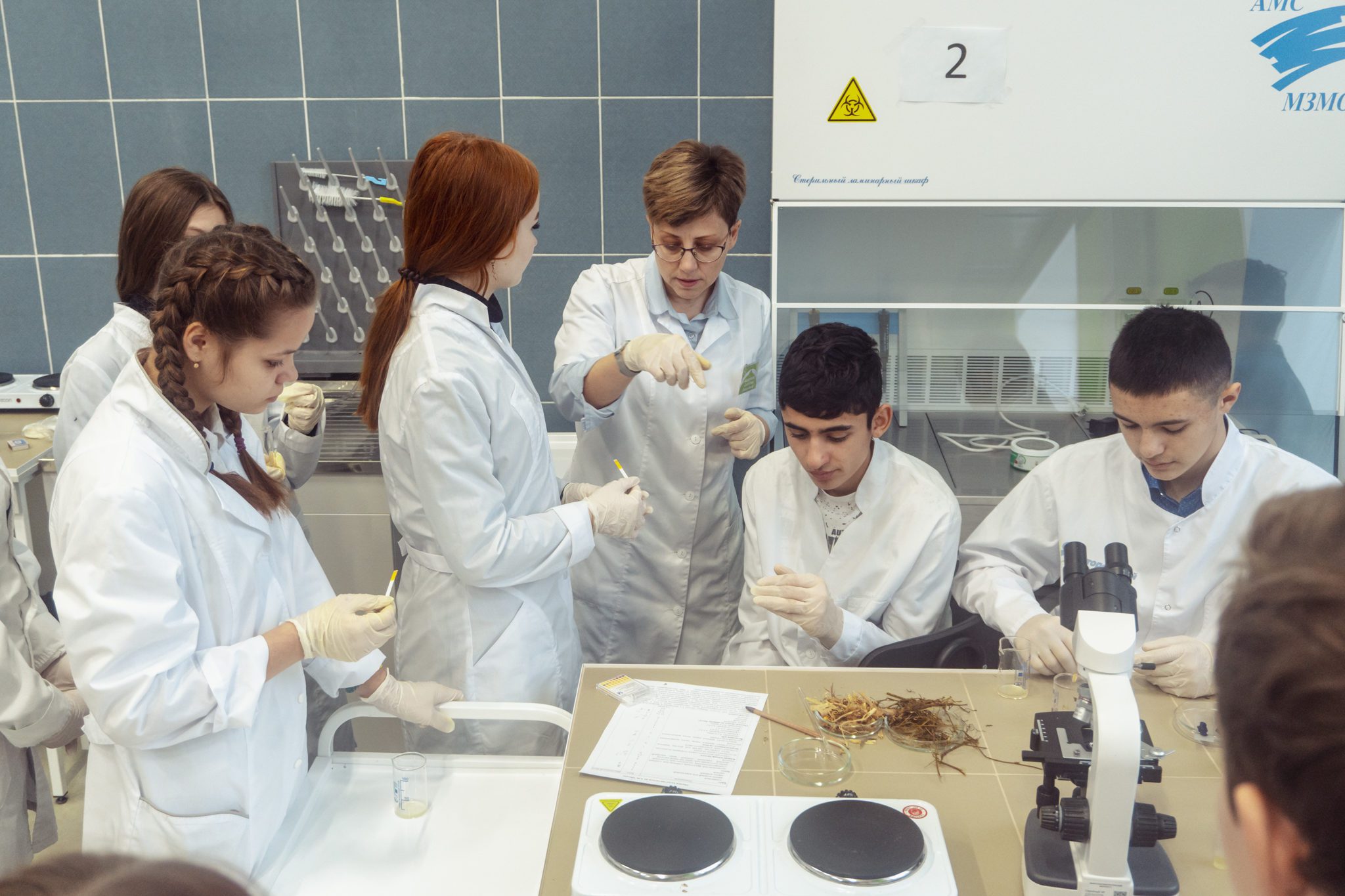
Interactive Workshops: Organize interactive workshops with expert presentations, group discussions and hands-on activities on specific topics such as soil health, water management or crop optimization.
Conduct field demonstrations of precision agriculture technologies and sustainable agricultural practices so that participants can see these tools and techniques in action.


Promote knowledge sharing and community building through farmer-to-farmer exchanges, study tours and mentoring programs.
Online Resources: Develop and publish online resources such as guides, fact sheets, videos and webinars on various aspects of sustainable agriculture.

Collaborate with research institutions, universities and other organizations to access and disseminate the latest knowledge and innovations in sustainable agriculture.
Offer on-site advisory and expertise services to provide farmers with personalized advice and support for the implementation of sustainable practices.